Product Certification

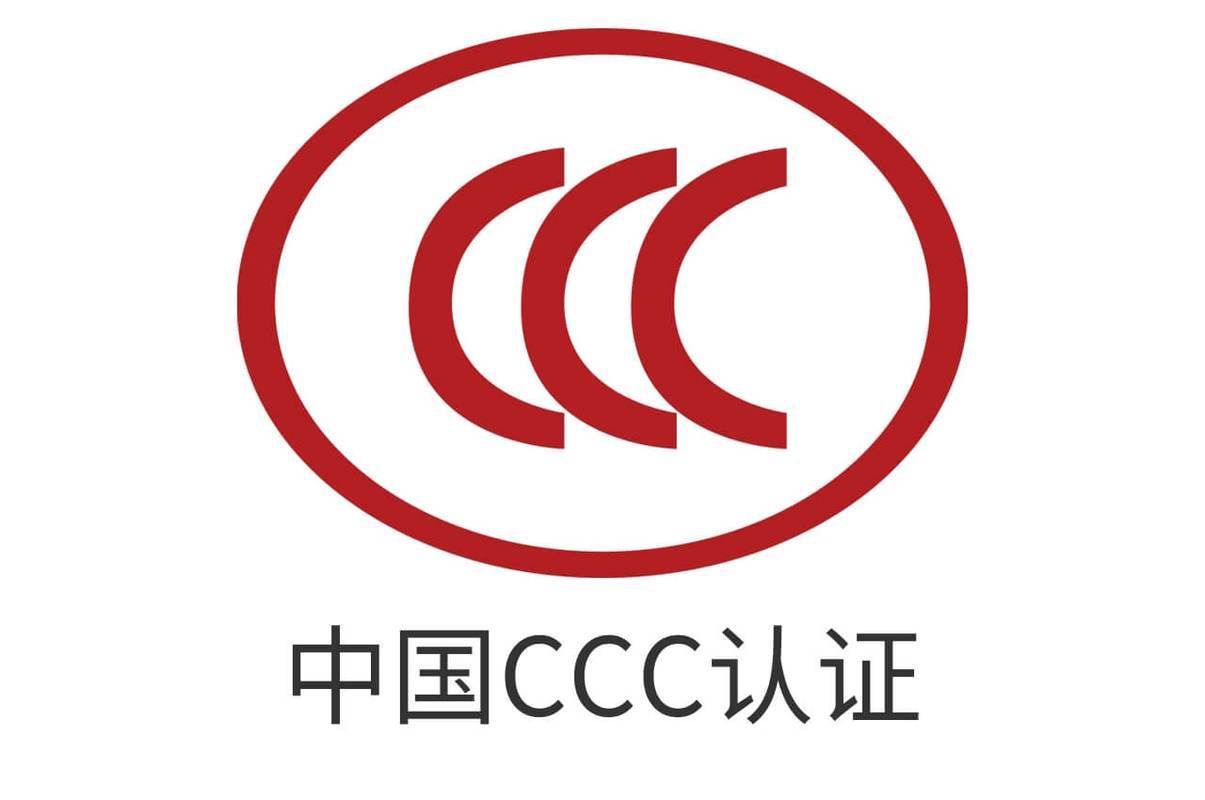
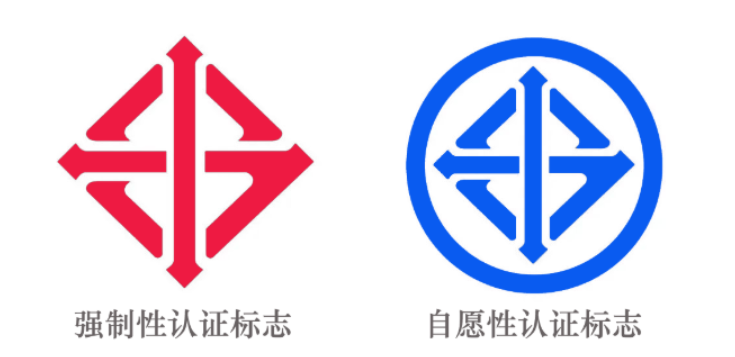
Product certification generally falls into two categories: Compulsory Product Certification (CCC Certification) and Voluntary Product Certification. The Certification and Accreditation Administration of China (CNCA) enforces compulsory product certification for 159 types of products under 22 broad categories. Other products not included within the CCC‑certification scope may undergo voluntary product certification.

Main Classification of Product Certification

  1. Classification by Certification Nature

    • · Compulsory Certification refers to certification required by national laws and regulations. Products without valid certification shall not be manufactured, sold or imported. Examples include China’s 3C Certification (Compulsory Product‑Certification System), covering 20 categories such as household appliances, motor vehicles and fire‑safety products; and the EU’s CE Marking, a mandatory market‑access requirement for products entering the European Union market.

    • · Voluntary Certification is applied for voluntarily by enterprises according to their own needs, aiming to demonstrate product advantages. Representative schemes include China’s CQC Voluntary Product Certification, the United States’ UL Certification (safety‑testing certification) and Germany’s GS Certification (safety‑certification mark).

  2. Classification by Certification Scope and Purpose

    • · Safety Certification focuses on safety protection for users and the environment, such as electrical‑insulation safety for appliances and non‑toxic properties for toys. 3C, UL and GS all belong to this category.

    • · Quality Certification proves stable and compliant product quality based on product‑quality standards derived from quality‑management systems such as ISO 9001.

    • · Environmental‑friendly Certification assesses the eco‑friendly characteristics of products. Typical examples are China’s China Environmental Label Certification (Ten‑ring Certification), the EU’s RoHS Certification (Restriction of Hazardous Substances) and the United States’ Energy Star Certification (energy‑saving certification).

    • · Industry‑specific Specialized Certification covers professional certification for targeted sectors, for instance Organic‑product Certification in the food industry, FDA Certification (U.S. Food and Drug Administration certification) for medical‑device products and Green‑building‑material Certification in the construction‑materials sector.


General Procedure for Product Certification

  1. Enterprise Application: Submit a certification application together with product documentation and enterprise‑qualification files to an accredited certification body.

  2. Document Review: The certification body reviews application materials to verify basic compliance with certification‑standard requirements.

  3. Sampling and Testing: Product samples are taken from the manufacturer’s production batch and sent to an assigned laboratory for testing against specified items.

  4. Factory Inspection (required for some certification schemes): Auditors dispatched by the certification body conduct on‑site inspections to verify that production workflows and quality‑control systems meet requirements.

  5. Certification Assessment: An overall evaluation is carried out based on test‑report results and factory‑inspection findings to determine whether the product satisfies certification criteria.

  6. Certificate Issuance: A certification certificate is granted to compliant products, authorizing the use of the certification mark.

  7. Post‑certification Surveillance: The certification body conducts regular surveillance audits on certified products and manufacturing sites to ensure ongoing compliance with standards.
All Categories

Tel:021-6409 0330
         13917723034

Email:info@huawayda.com

© Copyright Huaweida Testing & Certification (Shanghai) Co., Ltd. All Rights Reserved ICP Filing/License No.: 16029900-1