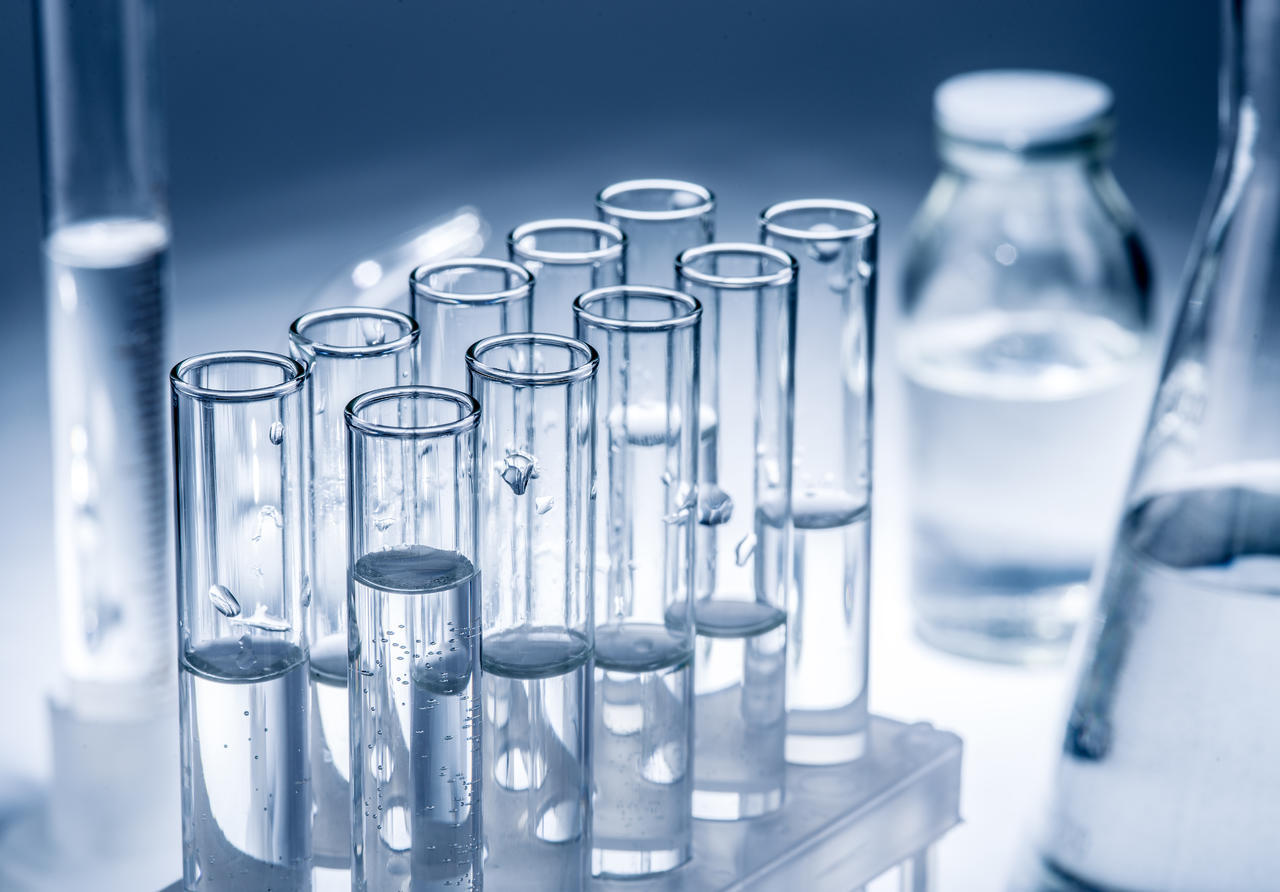
Chemical analysis testing is a technology that analyzes the composition, structure, content and other properties of substances by means of chemical principles, methodologies and instruments to provide data support. Its core objectives are divided into qualitative and quantitative analysis: qualitative analysis identifies components, such as heavy metal detection in water samples; quantitative analysis measures substance concentrations, for instance testing the vitamin C content in food.
It is mainly categorized into classical chemical analysis and modern instrumental analysis. The former relies on chemical properties and adopts gravimetry, titration and other methods, featuring low cost and suitability for macro analysis yet low testing efficiency. The latter leverages physical or physicochemical properties with instruments such as chromatographs and spectrometers, delivering high sensitivity and efficiency for microanalysis, albeit with expensive equipment investment.
The standard workflow consists of sample collection and preparation (ensuring sample representativeness and pretreatment), method selection and validation (selecting appropriate testing methods and verifying accuracy), instrument operation and data acquisition (standardized operation and data recording), as well as data processing and result reporting (data conversion and marking of critical information).
It boasts extensive application scenarios: the food industry conducts detection of residues and additives; the environmental sector analyzes water, air and soil samples; the pharmaceutical industry tests pharmaceutical ingredients and impurities. It is also applied in materials science, industrial manufacturing, public safety and other fields, serving as a vital technical pillar for modern society.
With the growing demand for monitoring fundamental material properties in semiconductor chemistry and electronic wet chemistry, the HuaWayDa Chemical Analysis Laboratory has established core testing capabilities covering trace metal testing, trace ion concentration measurement and comprehensive general chemical lab testing via a full suite of advanced analytical instruments, earning high recognition from customers through precise and reliable testing services.
For trace metal detection of semiconductor production chemicals, the laboratory provides ppt-level (10⁻¹² order of magnitude) trace metal analysis for ultra-pure water (UPW) and key chemicals including HF, HCl, HNO₃, H₂SO₄, H₃PO₄, NH₄OH, BOE, SC1, SC2, DEV, H₂O₂, IPA and NMP. For wafer surface metal contamination inspection, the detection sensitivity reaches 5E8 atoms/cm². A comprehensive range of metallic elements can be quantified, including Li, Na, Mg, Al, K, Cr, Mn, Fe, Ni, Pb, Co, Ca, Ga, As, Cu, Zn, Ag, Ba, Tl, B, Bi, Cd, In, Sr, W, Si, Ti and more, fully meeting the metal impurity control requirements throughout the entire semiconductor manufacturing process.
Furthermore, the laboratory also delivers specialized technical services such as isotope separation, offering all-round technical support for high-end material R&D and quality control in the semiconductor industry.
Category | Test Object | Test Items | Equipment Used | Detection Limit Range |
Silicon, Silicon Wafers & Related Materials | Silicon Wafers | Surface/Bulk Metallic Impurities (B, P, As, K, Na, Ca, | ICP-MS | 1E9 atoms/cm² |
Bulk Silicon (Electronic Grade, PV Grade), Silicon Nitride, Quartz Stone/Sand | Surface/Bulk Metallic Impurities (Fe, Cr, Ni, Cu, Zn, Na and more than 67 elements) | ICP-MS | 0.1~0.5 ppbw (bulk matrix) | |
Cleanroom Environment & Materials | Graphite, PE Packaging Materials, Gloves, PE Bags, PFA Materials | Surface/Bulk Metallic Impurities (K, Na, Ca, Mg, Al, Cr, Fe, Ni, Cu, Zn and 67 elements in total) | ICP-MS, ICP-OES | ppt ~ ppb |
Cleanroom Air | Air Particle Count (0.1~0.5 μm) | Air Particle Counter | pcs | |
Metallic Impurities (K, Na, Ca, Mg, Al, Cr, Fe, Ni, Cu, Zn and 67 elements in total) | ICP-MS | ppb | ||
Anions & Cations (F⁻, Cl⁻, NO₃⁻, SO₄²⁻, PO₄³⁻, NH₄⁺, etc.) | Ion Chromatograph | 0.02 ng/L | ||
Impurities in Cleanroom Air (TVOC, etc.) | Thermal Desorption-GC-MS | / | ||
High-Purity Gases | Ar₂, H₂, N₂, Ethylene and other specialty gases | Metallic Impurities (K, Na, Ca, Mg, Al, Cr, Fe, Ni, Cu, Zn and 67 elements in total) | ICP-MS | ppb |
High-Purity Chemicals | HNO₃, HF, H₂SO₄, HCl, H₂O₂, NH₄OH, H₃PO₄, BOE, SC1, SC2, DEV, NMP, IPA, etc. | Metallic Impurities (K, Na, Ca, Mg, Al, Cr, Fe, Ni, Cu, Zn and 67 elements in total) | ICP-MS | 1~10 pptw |
Particulates (0.1~0.5 μm) | Liquid Particle Counter | ea/ml | ||
Anions & Cations (F⁻, Cl⁻, NO₃⁻, SO₄²⁻, PO₄³⁻, NH₄⁺, etc.) | Ion Chromatograph | / | ||
Ultra-Pure Water | UPW | Metallic Impurities (K, Na, Ca, Mg, Al, Cr, Fe, Ni, Cu, Zn and 67 elements in total) | ICP-MS | 1~10 pptw |
Anions & Cations (F⁻, Cl⁻, NO₃⁻, SO₄²⁻, PO₄³⁻, NH₄⁺, etc.) | Ion Chromatograph | 20 ppt | ||
Particulates (0.1~0.5 μm) | Liquid Particle Counter | ea/ml |
Standards for Chemical Composition Analysis
Spectroscopic Analysis: Standards for spark optical emission spectrometry include GB/T 11170, ASTM E1086 (stainless steel), etc.; standards for inductively coupled plasma optical emission spectrometry include GB/T 20125 (carbon steel and low-alloy steel), SN/T 2718 (stainless steel), etc.
Chemical Titration Method: The GB/T 223 series national standards specify chemical analysis methods for steels and alloys, which adopt chemical titration and other approaches to determine the contents of various elements in steel.
X-ray Fluorescence Spectrometry: GB/T 16597-2019 is the general standard for X-ray fluorescence spectrometry, specifying performance requirements and analytical procedures for X-ray fluorescence spectrometers.
HWD | HuaWayDa is a comprehensive third-party service institution integrating inspection, testing, metrology, certification, training and enterprise technical services. It consists of Management Center, Marketing & Customer Service Center, Laboratory, Certification Center, Management Institute, Sustainable Development Center and Enterprise Service Center, and is committed to providing customers with professional, efficient and authoritative one-stop enterprise solutions.
HWD | HuaWayDa holds CNCA approval certificate, CMA qualification, measurement standard assessment certificate, CNAS accreditation and other relevant qualifications.
We strive to build long-term and mutually trustful partnerships with clients. We are not merely a service provider for your current projects, but also a reliable think tank and companion on your journey to pursue excellent management.
Choosing us means you are not only selecting a service, but also a long-term partner rooted in professionalism with your success as our mission. We promise to help you build a solid management foundation and sustainable competitive advantages with our professional capabilities.

Tel:021-6409 0330
13917723034
Email:info@huawayda.com