RoHS Testing

RoHS Testing (Restriction of Hazardous Substances) is an environmental test that restricts the use of specific hazardous substances in electrical and electronic products, aiming to reduce the harm of electronic waste to the environment and human health. Originating from the Directive on the Restriction of the Use of Certain Hazardous Substances in Electrical and Electronic Equipment (RoHS Directive) issued by the European Union in 2003, this testing has been referenced and adopted by many countries and regions around the world, and has become an important compliance requirement for electrical and electronic products to enter the market.


Core Controlled Substances for RoHS Testing

The EU RoHS Directive has been revised several times. At present, RoHS 2.0 regulates a total of 10 substances, detailed as follows:


  • Lead (Pb): Limit 0.1% (1000mg/kg), commonly found in solders, plastic additives, batteries, etc.

  • Mercury (Hg): Limit 0.1%, mostly present in fluorescent lamps, thermometers, switches, etc.

  • Cadmium (Cd): Limit 0.01% (100mg/kg), contained in electroplating coatings, pigments, batteries, etc.

  • Hexavalent Chromium (Cr (VI)): Limit 0.1%, used for metal anti-corrosion treatment (e.g. chromium plating), pigments, etc.

  • Polybrominated Biphenyls (PBBs): Limit 0.1%, formerly used as flame retardants in plastics, circuit boards and so on.

  • Polybrominated Diphenyl Ethers (PBDEs): Limit 0.1%, used as flame retardants as mentioned above.

  • Bis(2-ethylhexyl) phthalate (DEHP): Limit 0.1%, a plasticizer commonly used in wires, cables and plastic housings.

  • Benzyl Butyl Phthalate (BBP): Limit 0.1%, a plasticizer applied to PVC materials.

  • Dibutyl Phthalate (DBP): Limit 0.1%, a plasticizer used in plastics and adhesives.

  • Diisobutyl Phthalate (DIBP): Limit 0.1%, a plasticizer as an alternative to DBP.


Note: Similar RoHS regulations in various countries/regions (such as China RoHS, California RoHS of the United States, etc.) may have slight differences in controlled substances, which need to be confirmed pertinently.


Scope of Application

RoHS testing is mainly applicable to Electrical and Electronic Equipment (EEE), including but not limited to:


  • Household appliances (refrigerators, washing machines, air conditioners, microwave ovens, etc.);

  • Information technology equipment (computers, mobile phones, printers, servers, etc.);

  • Communication equipment (routers, switches, telephones, etc.);

  • Lighting equipment (LED lamps, fluorescent lamps, desk lamps, etc.);

  • Power tools, medical devices, monitoring equipment, electronic components in toys, etc.


Certain products are exempted from control (such as specific components of medical devices). Please refer to the exemption lists specified in the regulations of various countries for details.

Region

Regulation Name

Core Features

EU

2011/65/EU (RoHS 2.0)

It restricts 10 substances and applies to electrical and electronic equipment. The CE marking is required as a mandatory part of CE certification.

China

Measures for the Administration of Restrictions on the Use of Hazardous Substances in Electrical and Electronic Products (China RoHS 2.0)

Implemented in 2021, it controls 10 substances. Products are divided into two categories: compliance management and mandatory certification, with labeling of hazardous substance content required.

California, USA

CSPA (California Proposition 65)

It covers a broader range of controlled substances (including RoHS substances). Enterprises are required to warn of potential hazardous substances in products, otherwise litigation risks will be incurred.

Japan

JIS C 0950

Referencing EU RoHS, it controls six basic substances: lead, mercury, cadmium, hexavalent chromium, PBBs and PBDEs.

South Korea

RoHS Requirements under KC Certification

It restricts 10 substances consistent with EU standards and is integrated into the KC certification process.


Service Process
  • Identify Test Objects

    Split test units according to the product structure (such as plastic housings, metal parts, circuit boards, wires, etc.). Different materials shall be tested separately.


  • Sample Preparation

    Provide representative samples (generally 50-100g for each test unit, or as required by the testing laboratory) and ensure that the samples are free from contamination.


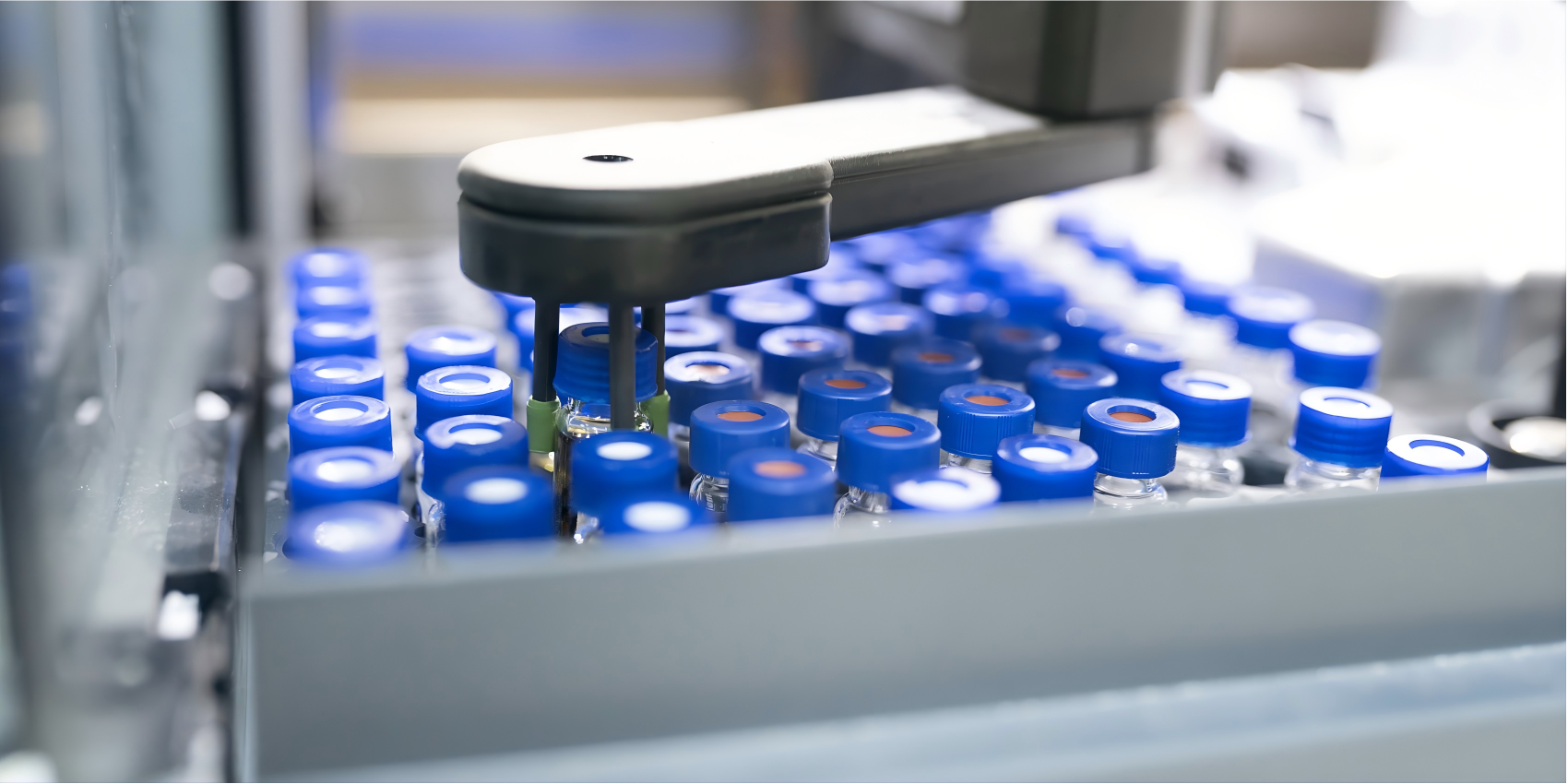
  • Test Methods. Chemical analysis methods are adopted, and common standards are as follows:

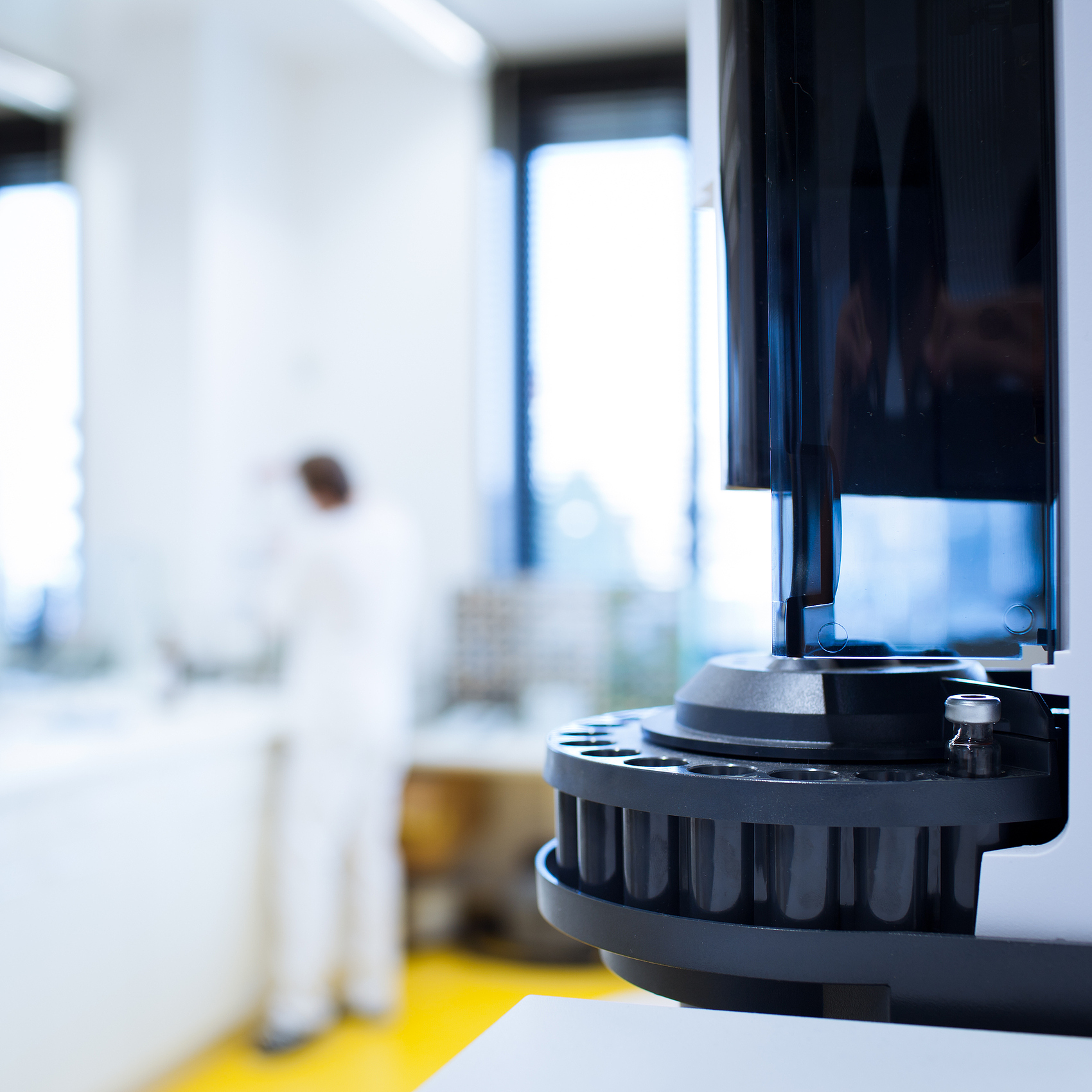
    Heavy metals (Lead, Mercury, Cadmium, Hexavalent Chromium): tested by ICP-MS (Inductively Coupled Plasma Mass Spectrometry), Atomic Absorption Spectroscopy (AAS), etc.;

    Organic substances (PBBs, PBDEs, Phthalates): tested by GC-MS (Gas Chromatography-Mass Spectrometry).


  • Report Issuance

    The testing laboratory issues a RoHS test report based on the test results to clarify whether the content of each substance meets the limit requirements. The report usually includes sample information, Test Items, test methods, result judgment and other contents.


FAQ
 
Our Advantages
Authoritative Qualifications

HWD | HuaWayDa is a comprehensive third-party service institution integrating inspection, testing, metrology, certification, training and enterprise technical services. It consists of Management Center, Marketing & Customer Service Center, Laboratory, Certification Center, Management Institute, Sustainable Development Center and Enterprise Service Center, and is committed to providing customers with professional, efficient and authoritative one-stop enterprise solutions.

HWD | HuaWayDa holds CNCA approval certificate, CMA qualification, measurement standard assessment certificate, CNAS accreditation and other relevant qualifications.

We strive to build long-term and mutually trustful partnerships with clients. We are not merely a service provider for your current projects, but also a reliable think tank and companion on your journey to pursue excellent management.

Choosing us means you are not only selecting a service, but also a long-term partner rooted in professionalism with your success as our mission. We promise to help you build a solid management foundation and sustainable competitive advantages with our professional capabilities.
Submit Your Requirements Now
Our expert team delivers premium solutions for you
Related Downloads
  • GB/T 39560.1-2020 Determination of certain substances in electrical and electronic products — Part 1: Introduction and overview
  • GB/T 39560.2-2024 Disassembly, partitioning and mechanical sample preparation of electrical and electronic products
  • GB/T 39560.301-2020 Determination of lead, mercury, cadmium, total chromium and total bromine by X-ray fluorescence spectrometry for electrical and electronic products
  • GB/T 39560.4-2021 Determination of certain substances in electrical and electronic products — Part 4: Determination of mercury in polymers, metals and electronic components by CV-AAS, CV-AFS, ICP-OES and ICP-MS
  • GB/T 39560.5-2021 Determination of certain substances in electrical and electronic products — Part 5: Determination of cadmium, lead and chromium in polymers and electronic components, and cadmium and lead in metals by AAS, AFS, ICP-OES and ICP-MS

Tel:021-6409 0330
         13917723034

Email:info@huawayda.com

© Copyright Huaweida Testing & Certification (Shanghai) Co., Ltd. All Rights Reserved ICP Filing/License No.: 16029900-1