EMC Testing

EMC Testing (Electromagnetic Compatibility Testing) is a comprehensive test to verify that electrical and electronic equipment can operate normally within its electromagnetic environment and will not generate unacceptable electromagnetic interference to other devices in such environment. Its core is to evaluate two major indicators of equipment: Electromagnetic Interference (EMI) and Electromagnetic Susceptibility (EMS). It is one of the mandatory Test Items for electrical and electronic products to enter the market.

Core Concepts

  1. Electromagnetic Interference (EMI) refers to electromagnetic energy emitted outward during equipment operation, which shall be controlled within standard limits to avoid interfering with surrounding devices.

    • Conducted Emission (CE): Interference propagated through conductors such as power lines and signal wires.

    • Radiated Emission (RE): Interference propagated in the form of spatial electromagnetic waves.

  2. Electromagnetic Susceptibility (EMS) refers to the ability of equipment to resist external electromagnetic interference and maintain normal functions under specified interference environments.

    • Conducted Susceptibility (CS): Resistance to electromagnetic interference transmitted through conductors.

    • Radiated Susceptibility (RS): Resistance to interference from spatial electromagnetic waves.

    • Other special susceptibility tests: Electrostatic Discharge (ESD), Electrical Fast Transient Burst (EFT), Surge, etc.

Main Test Items

Test Category

Core Items

Application Scenarios

Electromagnetic Interference (EMI)

Conducted Emission, Radiated Emission, Harmonic Current Emission, Voltage Fluctuation and Flicker

Verification of interference limits for all electrical and electronic equipment

Electromagnetic Susceptibility (EMS)

Electrostatic Discharge Susceptibility

Scenarios where equipment contacts or approaches static electricity sources (e.g. consumer electronics)

Electrical Fast Transient Burst Susceptibility

Scenarios where equipment power or signal ports suffer interference from switching operations

Surge Susceptibility

Scenarios where equipment is impacted by lightning strikes and power grid switching surges

Radiated Susceptibility

Scenarios where equipment is placed in strong electromagnetic radiation environments

Conducted Susceptibility

Scenarios where equipment receives interference via power / signal wires


Relevant Standards

EMC testing shall comply with international, national or industry-specific exclusive standards. Common standards are listed as follows:

  • General International Standards: IEC 61000 series (basic electromagnetic compatibility standards).

  • Chinese National Standards: GB/T 17626 series (corresponding to IEC 61000, electromagnetic susceptibility tests), GB 17625 series (electromagnetic emission limits).

  • Industry-Specific Standards

    • Automotive Electronics: ISO 11452 (Radiated Susceptibility), ISO 7637 (Conducted Interference and Susceptibility).

    • Medical Devices: IEC 60601-1-2 (special EMC standard for medical electrical equipment).

    • Military Products: GJB 151B (Requirements for Electromagnetic Emission and Susceptibility of Military Equipment and Subsystems).


Value & Benefits

Market Access: Most countries across the globe mandate EMC testing. Products without qualified test reports are prohibited from being launched and sold on the market.

Product Reliability: Equipment that has passed EMC testing operates more stably in complex electromagnetic environments, preventing crashes, performance degradation and other faults caused by interference.

Corporate Compliance: It serves as a vital component of enterprises' quality management system and product compliance control, mitigating risks arising from market supervision.


Service Process

Preliminary Preparation: Confirm product category, applicable standards and Test Items, and prepare samples and technical documents (such as circuit diagrams and product specifications).

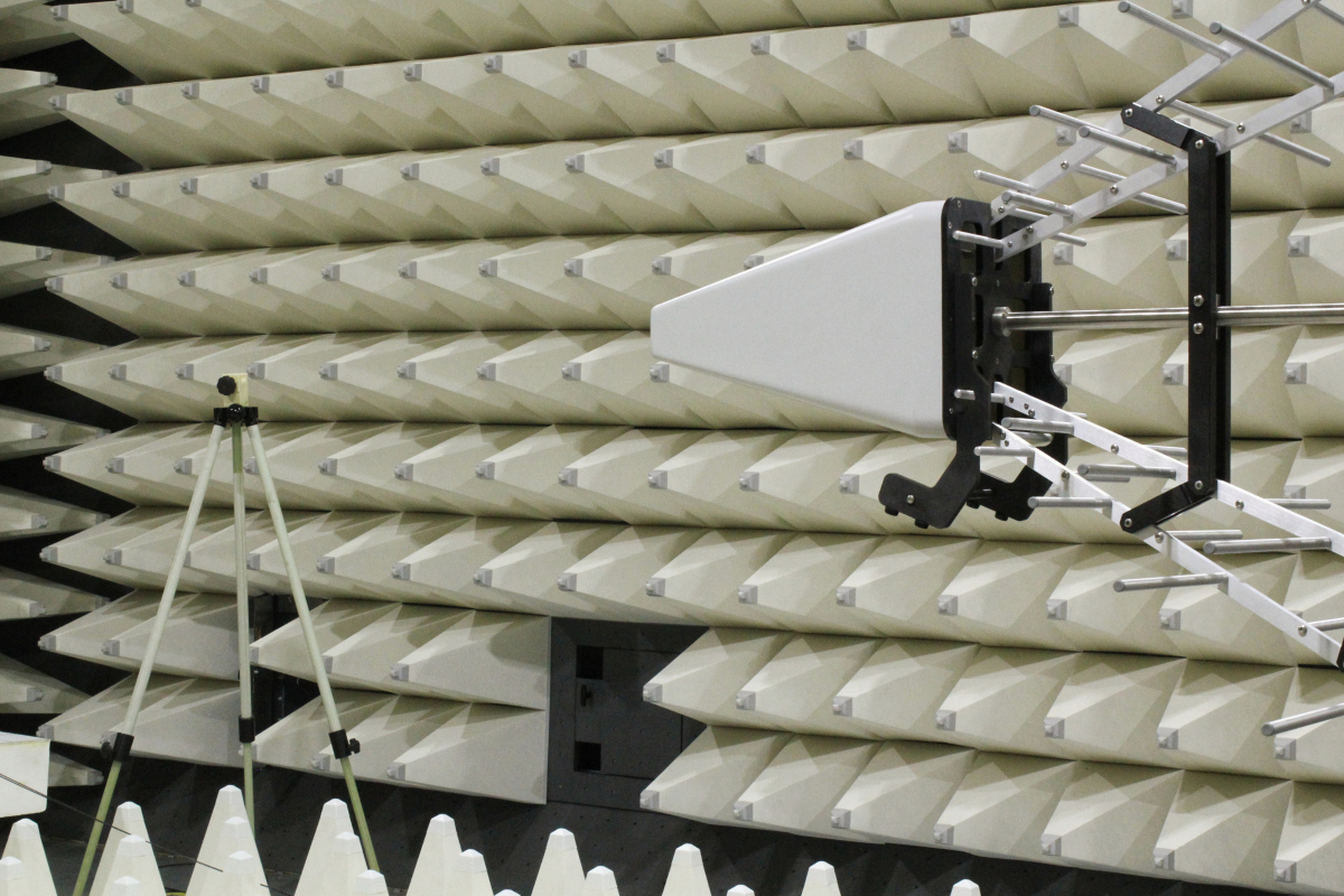
Laboratory Testing: Complete all indicator tests with special equipment (such as spectrum analyzers, signal generators, power amplifiers) in professional sites including anechoic chambers (for radiated tests) and shielded rooms (for conducted tests).

Data Evaluation: Compare test results with standard limits to judge pass or failure. If the product fails the test, analyze interference sources and implement EMC rectification.

Report Issuance: Qualified products will be issued an EMC test report, which serves as core evidence for product certifications such as CE and CCC.


FAQ
 
Our Advantages
Authoritative Qualifications

HWD | HuaWayDa is a comprehensive third-party service institution integrating inspection, testing, metrology, certification, training and enterprise technical services. It consists of Management Center, Marketing & Customer Service Center, Laboratory, Certification Center, Management Institute, Sustainable Development Center and Enterprise Service Center, and is committed to providing customers with professional, efficient and authoritative one-stop enterprise solutions.

HWD | HuaWayDa holds CNCA approval certificate, CMA qualification, measurement standard assessment certificate, CNAS accreditation and other relevant qualifications.

We strive to build long-term and mutually trustful partnerships with clients. We are not merely a service provider for your current projects, but also a reliable think tank and companion on your journey to pursue excellent management.

Choosing us means you are not only selecting a service, but also a long-term partner rooted in professionalism with your success as our mission. We promise to help you build a solid management foundation and sustainable competitive advantages with our professional capabilities.
Submit Your Requirements Now
Our expert team provides high-quality solutions for you
Related Downloads

Tel:021-6409 0330
         13917723034

Email:info@huawayda.com

© Copyright Huaweida Testing & Certification (Shanghai) Co., Ltd. All Rights Reserved ICP Filing/License No.: 16029900-1