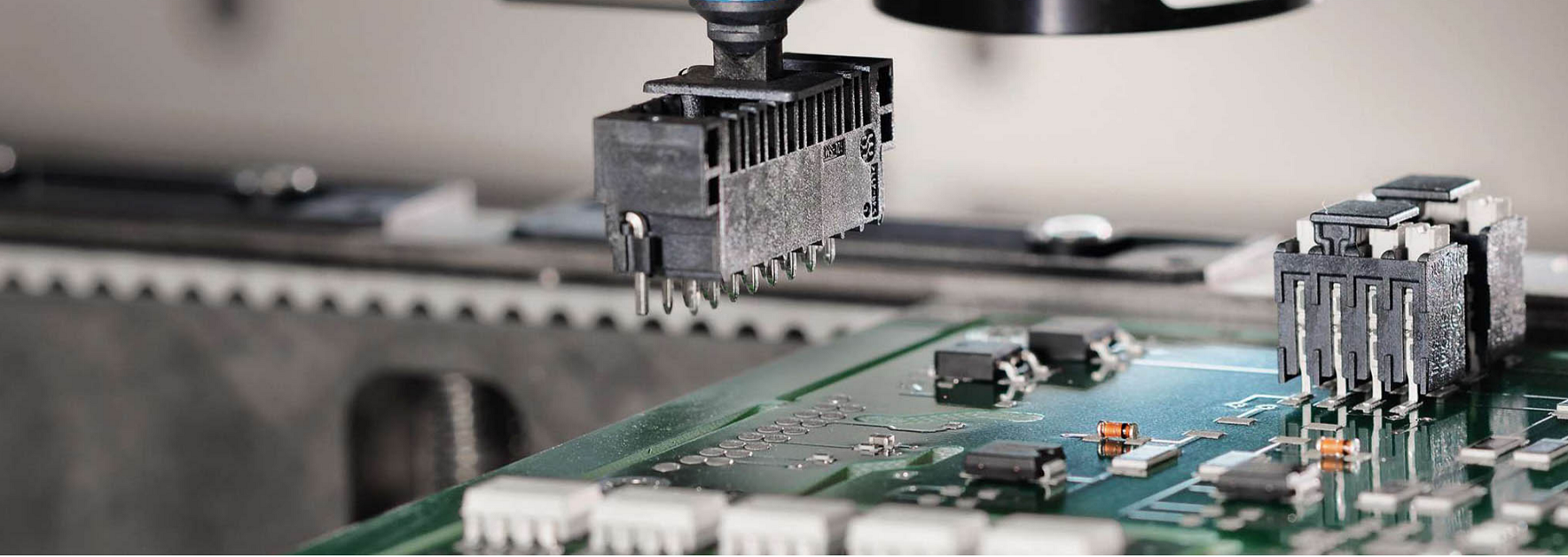
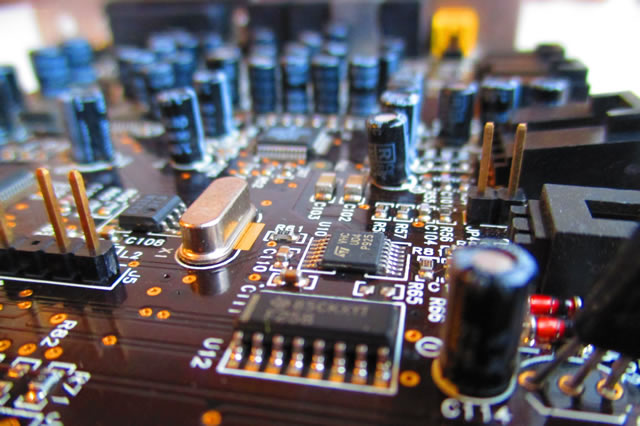
Electrical and electronic testing refers to systematic inspections conducted on electrical and electronic products covering safety, performance, electromagnetic compatibility, environmental friendliness and other indicators. It aims to ensure products comply with international, national or industrial standards, guarantee user safety and environmental protection, and satisfy market access requirements. It covers a wide scope ranging from consumer electronics to industrial equipment, and detailed contents are as follows:
It ensures that products pose no risks such as electric shock, fire or mechanical injury under normal operating and fault conditions, and is a mandatory fundamental test.
It ensures products work normally under electromagnetic environments and do not cause interference to other equipment, divided into two categories: Emission and Immunity.
Verify whether product functions and indicators meet design requirements, varying by product type:
Control hazardous substances in electrical and electronic products to comply with global environmental regulations:
Evaluate product stability under long-term service or harsh environments and predict service life:
Standard System | Applicable Region / Field | Core Standard Examples |
IEC/EN Standards | EU and International General Use | IEC 60950-1 (Safety of Information Technology Equipment), EN 61347 (Lighting Equipment) |
UL Standards | United States | UL 60950 (IT Equipment), UL 1017 (Household Appliance Safety) |
GB Standards | China | GB 4706.1 (Safety of Household and Similar Electrical Appliances), GB 17625.1 (EMC) |
FCC Standards | United States (Electromagnetic Compatibility) | FCC Part 15 (EMI for Consumer Electronics), FCC Part 18 (Industrial Equipment) |
Confirm Test Standards: Select corresponding standards according to target markets (e.g., EN standards are required for exports to the EU) and product types;
Sample Preparation: Provide representative samples (3-5 units for safety tests, complete with all accessories for EMC tests);
Rectification & Retest: If tests fail (e.g., excessive EMI), optimize the design (e.g., add filters) and conduct retests;
Obtain Certifications: After passing all tests, apply for relevant certifications (such as CE, UL, CCC). Products can be labeled and launched to the market afterward.
HWD | HuaWayDa is a comprehensive third-party service institution integrating inspection, testing, metrology, certification, training and enterprise technical services. It consists of Management Center, Marketing & Customer Service Center, Laboratory, Certification Center, Management Institute, Sustainable Development Center and Enterprise Service Center, and is committed to providing customers with professional, efficient and authoritative one-stop enterprise solutions.
HWD | HuaWayDa holds CNCA approval certificate, CMA qualification, measurement standard assessment certificate, CNAS accreditation and other relevant qualifications.
We strive to build long-term and mutually trustful partnerships with clients. We are not merely a service provider for your current projects, but also a reliable think tank and companion on your journey to pursue excellent management.
Choosing us means you are not only selecting a service, but also a long-term partner rooted in professionalism with your success as our mission. We promise to help you build a solid management foundation and sustainable competitive advantages with our professional capabilities.
Tel:021-6409 0330
13917723034
Email:info@huawayda.com