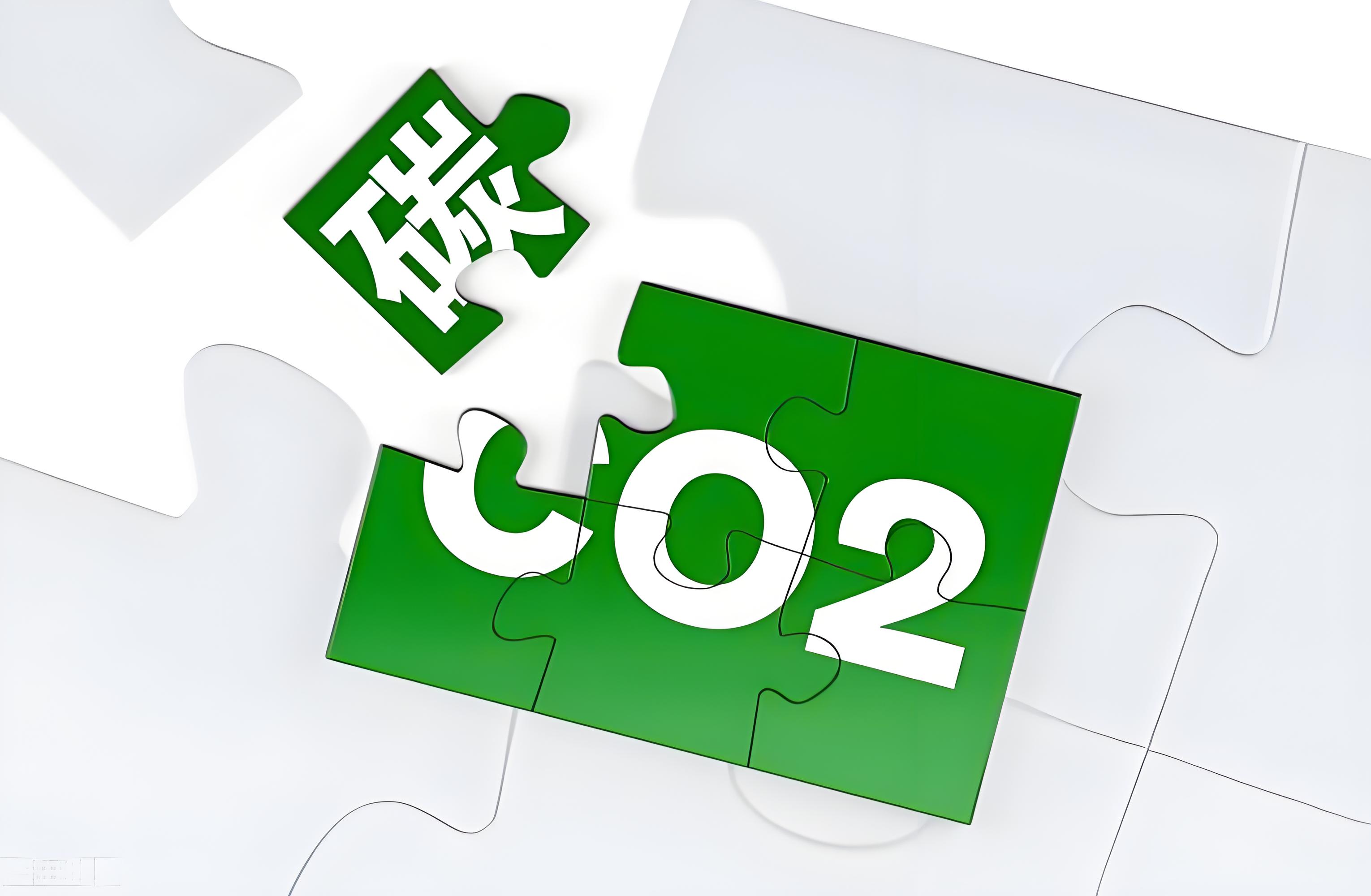
In 2020, President Xi Jinping formally announced that China will strive to peak carbon dioxide emissions before 2030 and achieve carbon neutrality before 2060. China’s commitment has greatly raised global attention to climate change. Amid the worldwide trend of low-carbon concepts, the term "carbon footprint" has attracted extensive attention. As an indicator representing greenhouse gas emissions, this concept has been adopted by research institutions to identify and assess product carbon emissions. Internationally, governments and relevant institutions of various countries have carried out research on carbon footprint assessment methodologies and successively formulated standards or specifications for carbon footprint evaluation. Based on carbon footprint assessment, carbon footprint certification is also continuously developing.
What is Carbon Footprint
It generally refers to all greenhouse gas (GHG) emissions of a product throughout its life cycle, namely GHG emissions at all stages ranging from raw materials to production (or service provision), distribution, use and disposal/recycling. Product carbon footprint accounting covers six types of greenhouse gases subject to emission reduction requirements under the Kyoto Protocol: carbon dioxide (CO₂), methane (CH₄), nitrous oxide (N₂O), hydrofluorocarbons (HFCs), perfluorocarbons (PFCs) and sulfur hexafluoride (SF₆).
Overview of ISO 14067 Product Carbon Footprint Verification Service
In August 2018, the International Organization for Standardization (ISO) issued ISO 14067:2018 Greenhouse gases — Carbon footprint of products — Requirements and guidelines for quantification. This standard replaced the technical specification ISO/TS 14067:2013 and was upgraded to a formal international standard. ISO 14067:2018 is an internationally recognized ISO standard for quantifying product carbon footprints. It specifies principles, requirements and guidelines for quantifying and reporting the product carbon footprint (CFP), consistent with international life cycle assessment (LCA) standards (ISO 14040 and ISO 14044). It provides unified specifications for the business community to evaluate product carbon emissions and serves as an effective tool to promote the evaluation of green goods or services.
Used for product marketing to enhance product added value;
Meet the purchasing demands of consumers and customers for low-carbon goods and guide the low-carbon product market;
Help enterprises apply for national green manufacturing projects;
Overcome international green trade barriers and prepare products for entry into the international market;
Provide a basis for eco-design of products and reference for reducing raw material consumption and selecting more low-carbon suppliers.
HWD | HuaWayDa is a comprehensive third-party service institution integrating inspection, testing, metrology, certification, training and enterprise technical services. It consists of Management Center, Marketing & Customer Service Center, Laboratory, Certification Center, Management Institute, Sustainable Development Center and Enterprise Service Center, and is committed to providing customers with professional, efficient and authoritative one-stop enterprise solutions.
HWD | HuaWayDa holds CNCA approval certificate, CMA qualification, measurement standard assessment certificate, CNAS accreditation and other relevant qualifications.
We strive to build long-term and mutually trustful partnerships with clients. We are not merely a service provider for your current projects, but also a reliable think tank and companion on your journey to pursue excellent management.
Choosing us means you are not only selecting a service, but also a long-term partner rooted in professionalism with your success as our mission. We promise to help you build a solid management foundation and sustainable competitive advantages with our professional capabilities.
Tel:021-6409 0330
13917723034
Email:info@huawayda.com