Electronic materials and chemicals are core‑based materials supporting the research‑and‑development and production of electronic components, integrated circuits, display panels, new‑energy batteries and other electrical and electronic products. Characterized by high purity, precise performance and strong specialization, they directly determine the stability, reliability and service life of electronic products.
I. Core Classification
Electronic materials can be divided into several major categories according to functions and application scenarios:
Semiconductor materials: The core of chip manufacturing, such as monocrystalline silicon, silicon carbide (SiC), gallium nitride (GaN), etc., used for producing wafers and power devices.
Electronic packaging materials: Used for chip packaging and protection, including epoxy resin, ceramic substrates, solder paste and so on, performing the functions of fixation, insulation and thermal conduction.
Display materials: Adapted to various display screens, such as liquid‑crystal (LCD) materials, organic light‑emitting‑diode (OLED) materials and quantum‑dot materials.
Magnetic materials: Applied to transformers, inductors and sensors, such as ferrite and neodymium‑iron‑boron permanent‑magnet materials.
Conductive and insulating materials: For example, conductive silver paste, photoresist, polyimide insulating film, etc.
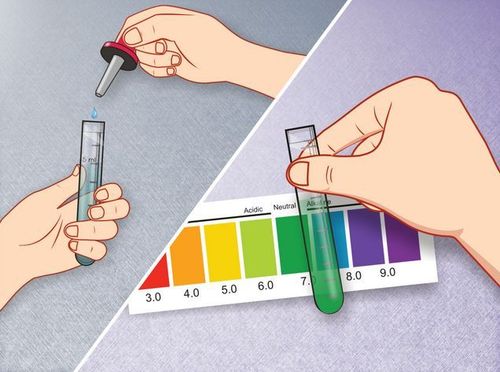
Electronic chemicals, also known as electronic‑grade chemicals, require extremely high purity (most are ultra‑high‑purity reagents). They are mainly used in processes such as cleaning, etching and doping during electronic manufacturing:
Process chemicals: Photoresist supporting reagents, etching solutions, strippers, cleaning liquids (e.g. electronic‑grade hydrofluoric acid, sulfuric acid).
Doping chemicals: Used for semiconductor doping modification, such as high‑purity boron‑ and phosphorus‑containing compounds.
Battery chemicals: Core raw materials for new‑energy batteries, including cathode materials (ternary materials, lithium‑iron phosphate), anode materials (graphite) and electrolytes (lithium hexafluorophosphate).
II. Core Characteristics
High purity: Impurity content shall be controlled at ppm (parts‑per‑million) or even ppb (parts‑per‑billion) level so as to avoid impairing the performance of electronic devices.
Strong customizability: Composition and performance shall be precisely matched according to the process requirements of downstream products such as chips and batteries.
High technical barriers: The production process is complex, with stringent requirements for equipment and research‑and‑development capability. Long‑term verification by downstream customers is also required.